Introduction
Range anxiety is real, especially on your first few long drives in an electric vehicle. If you’ve ever typed “EV charging stations near me” into your phone while watching the battery percentage drop, you know exactly what I’m talking about. The good news? Charging infrastructure in India has expanded quite a bit in the last two years, though it’s still patchy in certain regions.
Apps That Actually Help You Find Chargers
Several apps now map charging stations reliably across major highways and cities. PlugShare, Statiq, and Tata Power EZ Charge are among the most commonly used, showing real-time availability and charger type at each location.
Quick Answer: To find EV charging stations near you, use apps like Statiq, PlugShare, or Tata Power EZ Charge, which show real-time station availability, charger type, and navigation directly to the location.
Home Charging: Still Your Most Reliable Option
For most EV owners, home charging remains the primary method — plug in overnight, wake up to a full battery. It’s cheaper too, typically costing significantly less per unit than public fast chargers.
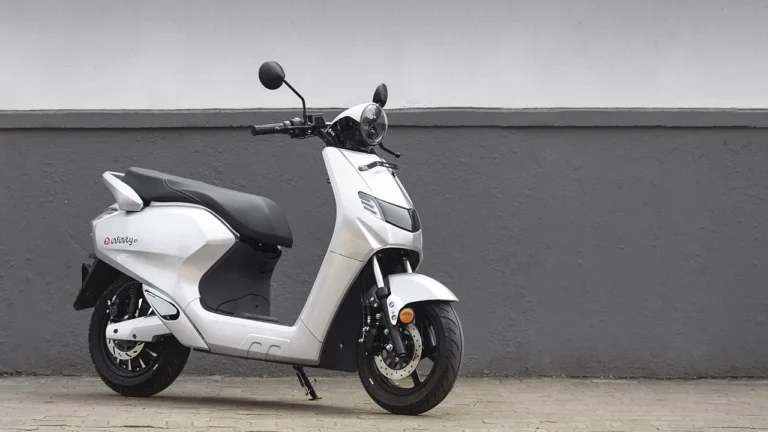
- Standard home socket: 6-8 hours for full charge (car), 4-6 hours (scooter)
- Dedicated home charger: 4-5 hours for cars, faster and safer for daily use
- Ideal for daily commuters who rarely need public charging at all
Highway Charging: What to Expect on Long Trips
Major highways connecting cities like Delhi-Jaipur, Mumbai-Pune, and Bangalore-Chennai now have charging stations roughly every 100-150 km, though availability can still be inconsistent in less-traveled routes.
Picture planning a Jaipur to Udaipur trip in an EV — you’d want to map out charging stops in advance rather than assuming you’ll find one when needed. That planning habit alone prevents most range-anxiety situations.
Types of Chargers You’ll Encounter
- Level 1 (Home socket) — Slowest, suitable only for overnight charging
- Level 2 (AC charger) — Faster, commonly found at malls, offices, and residential complexes
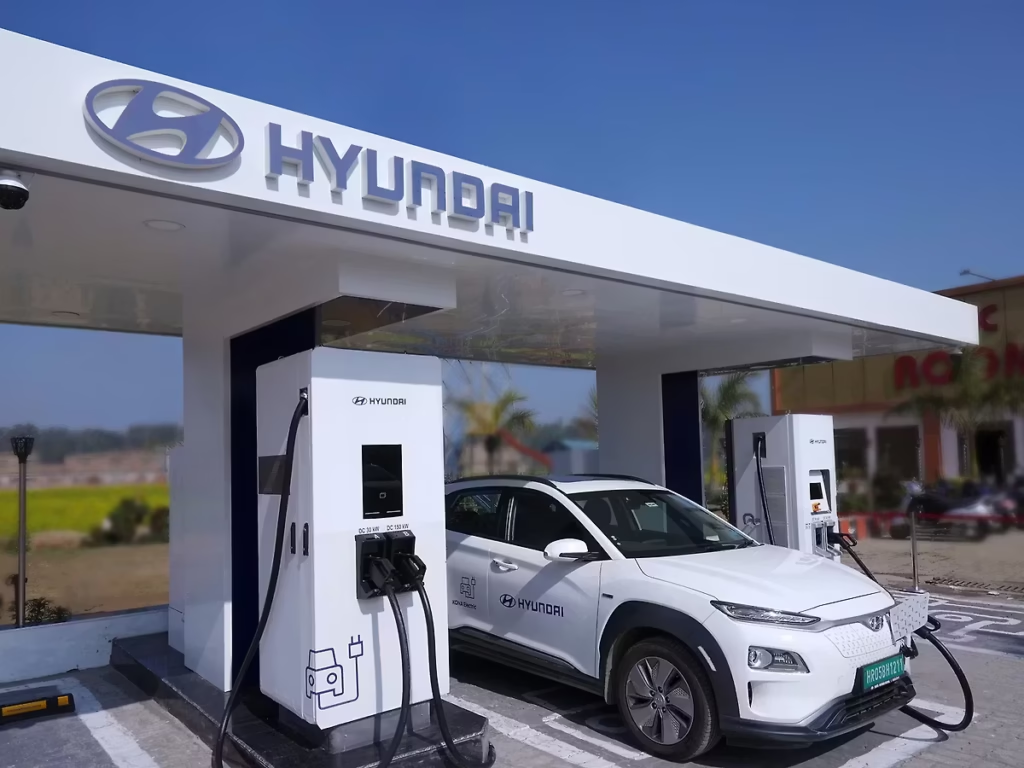
- DC Fast Charger — Quickest option, ideal for highway pit stops, charges 0-80% in 40-60 minutes for most EVs
Cost of Public Charging
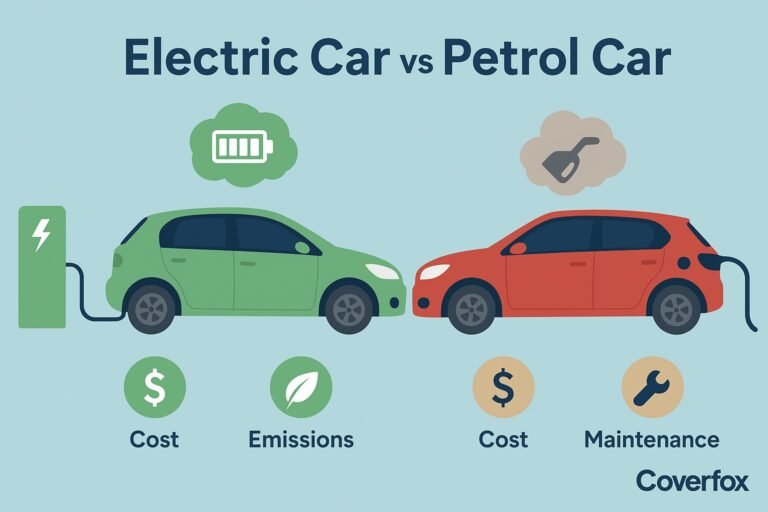
[link to related guide about electric car vs petrol car maintenance cost here]
Public fast chargers typically cost more per unit than home charging — expect ₹15-20 per unit compared to ₹6-8 at home in most states. Still significantly cheaper than petrol per kilometer, but worth factoring into your cost calculations if you rely heavily on public charging.
[Alt text suggestion: “Electric car connected to a public DC fast charging station on a highway”]
FAQs
Q1. What’s the best app to find EV charging stations in India? Statiq, PlugShare, and Tata Power EZ Charge are among the most reliable apps with real-time availability data.
Q2. How long does it take to fully charge an EV at home? Typically 6-8 hours for cars and 4-6 hours for scooters on a standard home socket.
Q3. Are highway charging stations reliable for long trips in 2026? Coverage has improved significantly on major highways, though it’s wise to plan charging stops in advance for less-traveled routes.
Q4. Is public charging more expensive than home charging? Yes, generally ₹15-20 per unit at public fast chargers versus ₹6-8 per unit at home.
Q5. What’s the difference between AC and DC fast charging? AC charging is slower and suitable for overnight or workplace charging, while DC fast charging delivers 0-80% charge in under an hour, ideal for highway stops.
Conclusion
Finding EV charging stations doesn’t have to be stressful once you get into the habit of planning ahead, especially for longer trips. Download a reliable charging app before your next road trip, map your stops in advance, and you’ll realize range anxiety fades pretty quickly once you understand the actual infrastructure available around you.