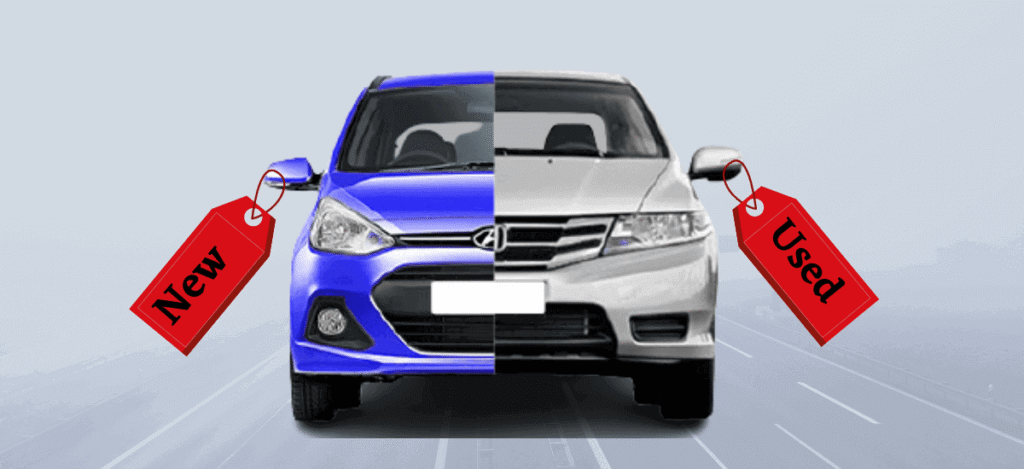
Every year around Diwali, I get at least three friends asking me the same question: should they buy a new car or go for a used one instead? It’s not a simple answer, honestly. The new vs used car debate depends heavily on your budget, how long you plan to keep the vehicle, and frankly, how much risk you’re okay taking on.
Let’s walk through this properly instead of just repeating the usual “new cars depreciate fast” line everyone throws around.
The Real Cost Difference Isn’t Just the Price Tag
A brand-new hatchback in India might cost Rs. 6-8 lakh on-road, while a 2-3 year old version of the same model could go for Rs. 4-5 lakh. That’s a real saving. But there’s more to it — insurance premiums, loan interest rates, and resale value all shift the math.
Quick answer: New cars come with lower interest rates and full warranty but higher upfront cost. Used cars save 25-40% on price but carry more uncertainty around condition and remaining lifespan.
Depreciation: The Silent Cost Nobody Talks About Enough
New cars lose roughly 15-20% of their value the moment you drive them out of the showroom. By year three, they’ve often shed 40-50% of the original price. This is honestly the strongest argument for buying used — someone else absorbs that steep initial depreciation hit.
If you’re the type who trades in cars every 2-3 years, this hits your pocket hard. If you plan to keep a car for 8-10 years, depreciation matters less in the long run.
Financing and Loan Terms
Banks and NBFCs typically offer better interest rates on new car loans — often 8-9.5% — compared to used car loans, which can run 10.5-14%. Loan tenure is shorter too for used vehicles, usually capped at 5 years versus 7 for new ones.
This means your EMI on a used car loan might not be that much lower than a new car EMI, even though the vehicle price itself is lower. Do the math before assuming used automatically means cheaper monthly payments.
Warranty and Peace of Mind
A new car typically comes with 3-5 years of manufacturer warranty, sometimes extendable. This covers most mechanical issues without you paying out of pocket. Used cars? You’re on your own unless you buy from a certified pre-owned program (Maruti True Value, Mahindra First Choice, and similar) that offer limited warranty.
I’ve had a used car breakdown two months after purchase, and the repair bill wasn’t small. That’s the risk you’re accepting with older vehicles, warranty or not.
Inspection: What to Actually Check on a Used Car
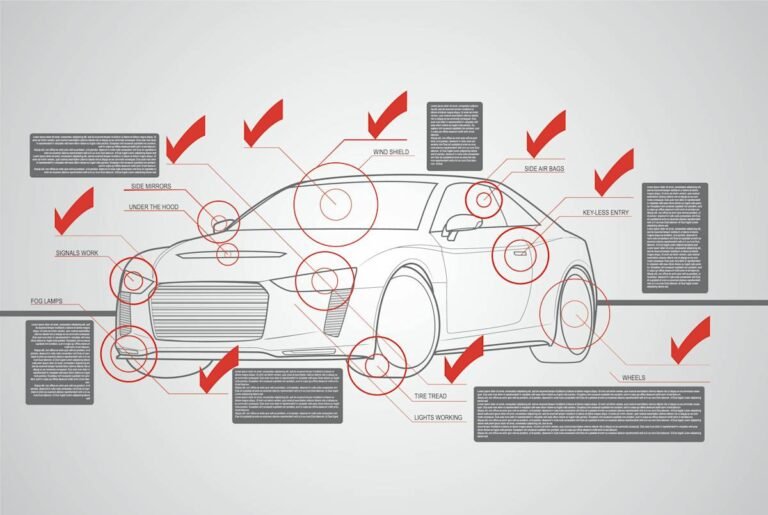
- Engine oil condition and any leaks underneath
- Tyre wear pattern (uneven wear can signal alignment or suspension issues)
- Service history and odometer consistency
- Accident history via a paint depth check or professional inspection
- AC cooling performance and electrical systems
[link to related article on buying a used car checklist here]
Insurance Cost Comparison
New cars need comprehensive insurance in the first year (mandatory under IRDAI rules for new registrations), which can be pricier — often Rs. 15,000-25,000 annually depending on the model. Used cars, especially those over 5 years old, often qualify for cheaper premiums, though the No Claim Bonus (NCB) transfer from the previous owner matters here too.
Quick answer: New car insurance is mandatory comprehensive for the first year and costs more. Used car premiums drop with vehicle age but depend on the transferred NCB and current market value.
Which Option Fits Which Buyer
Honestly, this isn’t a one-size-fits-all decision. A first-time buyer with a tight budget and no prior car ownership might genuinely be better off with a certified used car — lower entry cost, decent condition if bought through a trusted dealer. Someone buying their family’s primary vehicle who wants zero maintenance headaches for the first few years should probably stretch for new.
[link to related guide on new car buying checklist here]
The Technology and Safety Gap
New cars released after 2023 in India generally come with better safety features as standard — six airbags, ESC, and improved crash ratings under Bharat NCAP. A 5-6 year old used car might lack these entirely. If safety features are a priority for your family, this tilts the decision toward new, even with the higher price.
FAQ
Is buying a used car risky in India? It carries more risk than new, but buying from certified pre-owned programs or getting an independent inspection significantly reduces that risk.
Do used cars have good resale value? Generally lower resale value than new cars relative to purchase price, since you’re already buying into the depreciation curve.
Should I buy used if it’s my first car? Many first-time buyers do, mainly for the lower upfront cost and lower stress about minor dents and scratches while learning to drive.
How old is too old for a used car purchase? Anything beyond 7-8 years needs careful inspection — major components like the engine and transmission start showing wear-related issues around this age.
Is a used car loan harder to get approved? Not necessarily harder, but interest rates are usually higher and loan tenure shorter compared to new car loans.
Conclusion
There’s no universal right answer in the new vs used car debate — it genuinely depends on your budget, how long you’ll keep the car, and how much risk you’re comfortable with. If you value warranty coverage and the latest safety tech, lean new. If stretching your rupee further and accepting some uncertainty works for you, a well-inspected used car can serve you just as well. Whichever way you go, get a proper inspection done and don’t rush the paperwork.