A friend of mine once bought a used sedan without checking the service records. Three weeks later, the clutch gave out and cost him nearly Rs. 18,000 to fix. That’s exactly the kind of situation a proper buying a used car checklist is meant to prevent.
Buying second-hand isn’t inherently risky if you go about it the right way. The problem is most people get excited about the price tag and skip steps that would’ve saved them from a nasty surprise. Let’s go through what actually matters.
Start With the Paperwork, Not the Car
Before you even look at the engine, check the RC (Registration Certificate), insurance papers, and PUC (Pollution Under Control) certificate. Make sure the chassis and engine numbers on the RC match what’s physically on the car.
Quick answer: Always verify the RC, insurance validity, and PUC certificate before inspecting the vehicle itself. Mismatched chassis numbers or an RC still in someone else’s name are immediate red flags.
Check the Service History Thoroughly
A car with a complete, documented service history tells you a lot more than the seller’s word. Ask for the service book or digital records if it’s from an authorized service center. Gaps in servicing, especially skipped oil changes, usually mean accelerated engine wear.
If the seller can’t produce any service records at all, that’s not automatically a dealbreaker, but it does mean you should budget for a more thorough mechanical inspection before finalizing.
Physically Inspect the Exterior and Body
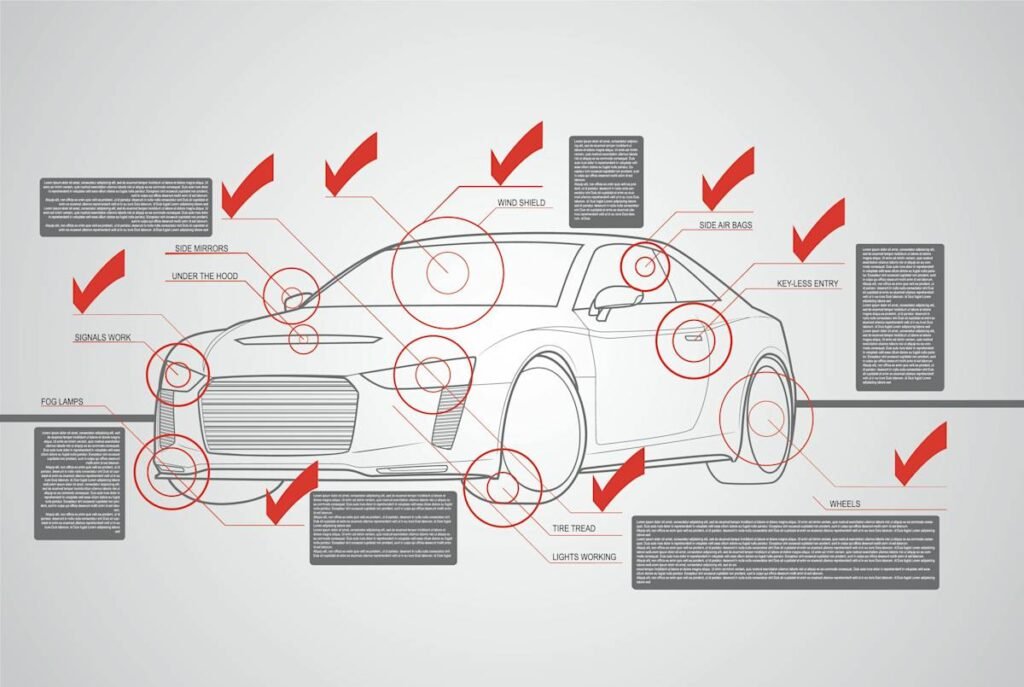
Walk around the car in daylight, not under shop lighting which can hide dents and paint mismatches. Look for:
- Uneven panel gaps (sign of past accident repair)
- Paint color slightly different between panels
- Rust near wheel arches or under doors
- Scratches or dents that weren’t disclosed
A magnet test can help too — genuine metal panels attract a small magnet, while heavy body filler used to hide accident damage won’t.
Engine and Under-the-Hood Check
Pop the hood and check for oil leaks, coolant levels, and any burning smell. A well-maintained engine bay is usually reasonably clean, not caked in grime.
Quick answer: Check the engine oil color (should be amber, not black and gritty), look for coolant leaks, and listen for unusual knocking sounds at idle. These are early indicators of expensive repairs down the line.
Odometer Reading — Does It Match the Car’s Condition?
Odometer tampering does happen, unfortunately. If a car shows only 40,000 km but the pedals, seats, and steering wheel show heavy wear, something doesn’t add up. Cross-check the reading against service records, which usually log mileage at each visit.
[link to related guide on new vs used car here]
Test Drive on Different Road Conditions
Don’t just drive around the block. Take it on a rough patch, a highway stretch if possible, and try some sharp turns. Listen for:
- Unusual vibrations at higher speeds
- Brake response — spongy or delayed braking is a warning sign
- Gear shifting smoothness, especially for manual transmissions
- AC cooling efficiency, particularly important in Indian summers
- Any warning lights that pop up on the dashboard
Get a Professional Pre-Purchase Inspection
This is the step people skip most often to save a few hundred rupees, and it’s honestly the one I’d never skip. Independent inspection services (and even some used-car platforms) offer detailed mechanical checks for Rs. 1,500-3,000. Compared to a potential repair bill of Rs. 20,000+, it’s a small price for peace of mind.
[link to related article on car maintenance checklist here]
Negotiating the Right Price
Once you’ve inspected the car and know its actual condition, use that information to negotiate. If the tyres need replacing soon, or the AC needs a service, factor those costs into your offer. Sellers generally expect some negotiation, so don’t hesitate to point out legitimate issues you found.
Insurance and Ownership Transfer
Don’t finalize the deal until you understand the insurance transfer process — this needs to happen within 14 days of purchase under most policies, or you risk being uninsured. Also confirm whether the No Claim Bonus is transferable, and complete the RC transfer at the RTO promptly to avoid future legal complications tied to the previous owner.
FAQ
Is it safe to buy a used car without a professional inspection? It’s possible, but risky. A trained eye can catch issues that aren’t visible during a casual test drive, and the inspection cost is minor compared to potential repair costs.
What documents are mandatory when buying a used car? RC, insurance papers, PUC certificate, and a valid sale agreement (Form 29 and Form 30 for ownership transfer) are essential.
How do I know if a used car has been in an accident? Check for uneven panel gaps, mismatched paint, and use a paint thickness meter if possible. A pre-purchase inspection will also flag accident repairs.
Should I buy from an individual seller or a used-car dealership? Dealerships, especially certified pre-owned programs, generally offer more accountability and sometimes limited warranties, though prices tend to be slightly higher than buying directly from an owner.
How much should I budget beyond the purchase price? Set aside roughly 5-10% of the purchase price for immediate repairs, servicing, or replacement parts like tyres and battery.
Conclusion
Following a proper buying a used car checklist doesn’t take much extra time, but it can save you from a genuinely expensive mistake. Check the paperwork first, inspect thoroughly, take a real test drive, and don’t skip the professional inspection just to save a bit of money upfront. A little patience here goes a long way toward driving home a car you won’t regret.