Nobody thinks about their car battery until it fails, usually at the worst possible moment — early morning before a flight, or right before an important meeting. Learning how to extend car battery life isn’t complicated, but it does require a bit of consistent habit rather than a one-time fix.
I’ve managed to push a battery well past its typical 3-year lifespan just by following a few of these, so this isn’t just theory.
Understanding What Actually Kills Car Batteries
Extend car battery life starts with understanding what shortens it in the first place — heat, vibration, deep discharge cycles, and prolonged inactivity are the main culprits. Indian summers, unfortunately, are particularly hard on batteries due to sustained high temperatures.
Heat accelerates the internal chemical reactions in a battery in ways that speed up degradation, even when the car isn’t being driven. This is why batteries in hotter regions of India often need replacement sooner than the same battery would in a cooler climate.
Avoid Frequent Short Trips
Quick answer: Repeated short trips under 10-15 minutes don’t give your alternator enough time to fully recharge the battery after starting. If most of your driving is short hops, consider a longer drive at least once a week to allow a full recharge cycle.
This is a genuinely common problem for city drivers who mostly do quick errands. Each start draws power, and if you’re never driving long enough to replenish it fully, the battery slowly runs at a chronic partial charge, which shortens its lifespan considerably.
Turn Off Electronics Before Switching Off the Engine
Headlights, AC blower, infotainment system — turning these off before you shut down the engine reduces the initial load when you next start the car. It also prevents the (surprisingly common) mistake of accidentally leaving headlights on overnight, which can fully drain a battery by morning.
- Double-check headlights and interior lights before locking up
- Unplug phone chargers and dash cams when parking for extended periods
- Close the boot and doors fully — a slightly open door can keep interior lights on for hours
Clean Battery Terminals Regularly
Corrosion on battery terminals — that white or bluish crusty buildup — increases electrical resistance, forcing your alternator to work harder to maintain charge. Cleaning terminals every few months with a mix of baking soda and water, followed by a light coat of petroleum jelly, prevents this buildup effectively.
[link to related guide on best car battery buying guide here]
Get Your Charging System Checked Periodically
Quick answer: A failing alternator can undercharge your battery even during regular driving, silently shortening its lifespan. Get your charging system tested during routine servicing — most workshops can check this in under 10 minutes with a simple voltmeter test.
If your battery keeps dying despite regular driving and proper care, the actual problem might not be the battery at all — it could be the alternator failing to charge it properly.
Minimize Battery Drain During Long Parking Periods
If you’re leaving your car parked for more than 2-3 weeks (a long trip, for instance), disconnect the negative terminal to prevent slow parasitic drain from onboard electronics like the clock, alarm system, and infotainment memory. Alternatively, a trickle charger connected during storage keeps the battery topped up without overcharging it.
[link to related article on car maintenance checklist here]
Watch for Early Warning Signs
- Slower engine cranking than usual when starting
- Dashboard battery warning light illuminating
- Dimming headlights when idling, especially with AC on
- Electrical accessories (power windows, wipers) operating sluggishly
- Battery case appearing swollen or warped
Catching these signs early gives you time to get the battery tested rather than being caught off guard by a complete failure.
Avoid Deep Discharge Situations
Letting your battery run completely flat repeatedly — through leaving lights on, or letting it sit unused for months — significantly shortens its usable lifespan. Each deep discharge cycle degrades the internal plates a bit more than a standard start-stop cycle would.
Temperature Management for Parked Cars
Parking in shade or a covered area when possible reduces the heat stress on your battery, especially during peak summer months. If shaded parking isn’t available, even a simple reflective sunshade on the dashboard helps moderate under-hood temperatures somewhat.
FAQ
How long should a well-maintained car battery last? With good care, most car batteries in India last 3-5 years, though extreme heat and frequent short trips can shorten this to 2-3 years in some cases.
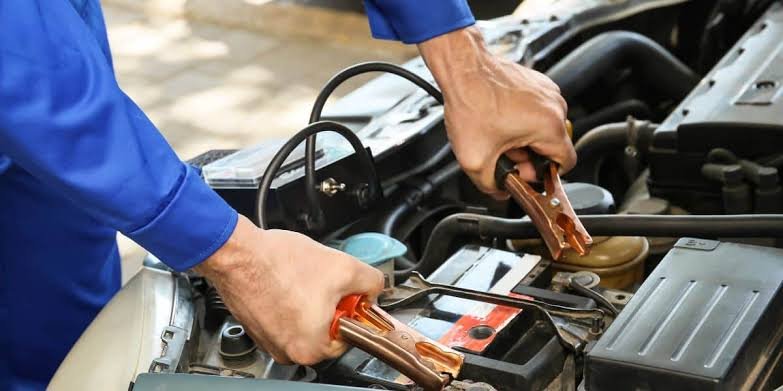
Does jump-starting my car damage the battery? An occasional jump-start won’t cause significant damage, but frequent jump-starts indicate an underlying issue — either the battery is failing or something is draining it — that needs addressing.
Should I disconnect my car battery every time I park for a few days? Not necessary for short periods of a few days, but for extended parking beyond 2-3 weeks, disconnecting or using a trickle charger is a good precaution.
Can extreme cold also damage car batteries, similar to heat? Yes, though heat is the bigger concern in most of India, cold weather does reduce a battery’s cranking power temporarily, which is why winter mornings sometimes show slower starts.
Is it normal for a car battery to need replacement even with proper care? Yes, all batteries degrade with age regardless of care due to natural chemical processes, but proper maintenance can help you get the full expected lifespan rather than premature failure.
Conclusion
Making your battery last longer doesn’t require anything drastic — regular longer drives, clean terminals, and catching warning signs early cover most of what matters to genuinely extend car battery life. A little consistent attention here saves you from the classic dead-battery morning surprise, and gets you real value from what you paid for it in the first place.