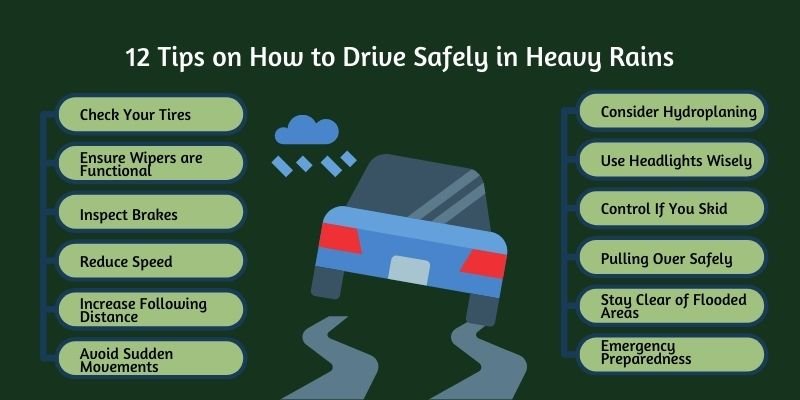
Monsoon season in India turns even familiar roads into something unpredictable — waterlogged stretches, reduced visibility, and drivers who genuinely seem to forget how brakes work the moment it starts pouring. Good driving tips in rain aren’t just nice-to-know advice; they’re honestly the difference between getting home safely and ending up in a scary situation.
I’ve driven through some genuinely bad monsoon flooding over the years, and a few habits have kept me out of trouble more than once. Let’s get into what actually helps.
Slow Down Before You Think You Need To
Driving tips in rain always start with speed, and for good reason. Wet roads reduce tyre grip significantly, increasing your stopping distance by as much as double compared to dry conditions. What feels like a safe following distance in normal weather often isn’t enough once the road’s wet.
Reduce your speed by at least 10-20% compared to your normal driving pace, and increase following distance to at least 4-5 seconds behind the vehicle ahead, rather than the usual 2-3.
Check Your Tyre Tread Before Monsoon Hits
Quick answer: Tyres with worn tread (below 1.6mm, the legal minimum) lose significant grip on wet roads, dramatically increasing hydroplaning risk. Check tread depth using the coin test or a tread depth gauge before monsoon season begins, not after you’ve already had a scare.
Bald or heavily worn tyres simply can’t channel water away from the contact patch effectively, which means your car essentially rides on a thin film of water — that’s hydroplaning, and it’s genuinely dangerous at higher speeds.
Avoid Sudden Braking and Sharp Turns
Hard braking on wet roads is one of the fastest ways to lose control. Instead, brake earlier and more gradually than you normally would. If your car doesn’t have ABS (less common in newer cars but still relevant for older vehicles), pump the brakes gently rather than slamming down.
- Anticipate stops well in advance by watching traffic further ahead
- Ease off the accelerator gradually before braking, rather than braking abruptly
- Avoid sharp steering inputs, which can cause skidding on wet surfaces
Turn On Headlights, Even During Daytime Rain
Quick answer: Switch on headlights (not just hazard lights) during heavy rain, even in daytime, to improve your visibility to other drivers. This is often legally required during poor visibility conditions and significantly reduces the risk of being missed by other vehicles.
Hazard lights should be reserved for when you’re stationary or moving unusually slowly, not as a general rain driving light — using them while driving normally can actually confuse other drivers about your intentions.
[link to related guide on wheel alignment symptoms here]
Watch for Waterlogged Roads and Judge Depth Carefully
This is where a lot of accidents and stalled engines happen every monsoon. Never assume you know the depth of water ahead — potholes hidden underneath can be far deeper than they look. If water level appears to reach above your car’s air intake or exhaust pipe, don’t attempt to cross; the risk of engine damage from water ingestion (hydro-locking) is serious and expensive to repair.
If you must cross standing water, do so slowly in first gear, maintaining light but consistent throttle to prevent water from entering the exhaust.
Use Wipers and Defoggers Properly
Fogged-up windows during rain reduce visibility dramatically, and honestly, plenty of accidents happen simply because someone couldn’t see clearly through a misted windshield. Use the AC (not just heater) with defog mode to clear fog quickly, and replace wiper blades if they’re leaving streaks — worn blades are cheap to replace and make a real visibility difference.
[link to related article on car ac maintenance here]
Maintain Your Braking System Before Monsoon
Get your brake pads and discs inspected before the rainy season starts. Worn brake pads perform noticeably worse in wet conditions, and this isn’t the season to discover your brakes are due for replacement mid-emergency stop.
Be Extra Cautious Around Standing Water at Night
Combining rain with darkness significantly compounds the risk — reduced visibility, glare from oncoming headlights reflecting off wet roads, and harder-to-judge water depths. If possible, avoid unnecessary night driving during particularly heavy monsoon spells, especially in areas known for waterlogging.
Keep an Emergency Kit in Your Car
- A basic tow rope, in case you get stuck in waterlogged areas
- A torch/flashlight for visibility during breakdowns
- A phone charger or power bank
- Basic tools and a tyre inflator
- Important contact numbers for roadside assistance
FAQ
How much should I slow down when driving in heavy rain? Reducing speed by 10-20% below your normal pace is a reasonable general guideline, though genuinely heavy rain or poor visibility may call for even more caution.
Is it safe to drive through standing water on the road? Only if the water level is clearly below your car’s air intake and exhaust, and even then, proceed slowly in first gear. When in doubt, find an alternate route rather than risking it.
Why do my brakes feel less responsive in the rain? Water reduces friction between brake pads and discs momentarily, especially right after driving through deep puddles. Lightly tapping the brakes occasionally helps dry them out and restore normal responsiveness.
Should I use high beams during heavy rain? No, high beams reflect off rain droplets and reduce visibility further. Stick to low beams or fog lights if your car has them, which cut through rain more effectively.
What should I do if my car starts hydroplaning? Ease off the accelerator gently without braking hard, keep the steering wheel steady, and let the car naturally regain traction as speed reduces, rather than making sudden steering corrections.
Conclusion
Staying safe during monsoon season really comes down to slowing down, maintaining decent tyre tread, and respecting standing water rather than guessing its depth. These driving tips in rain aren’t complicated, but they do require a bit more patience and attention than dry-weather driving. Give yourself extra time for your commute during heavy rain — arriving a few minutes late beats not arriving safely at all.