Introduction
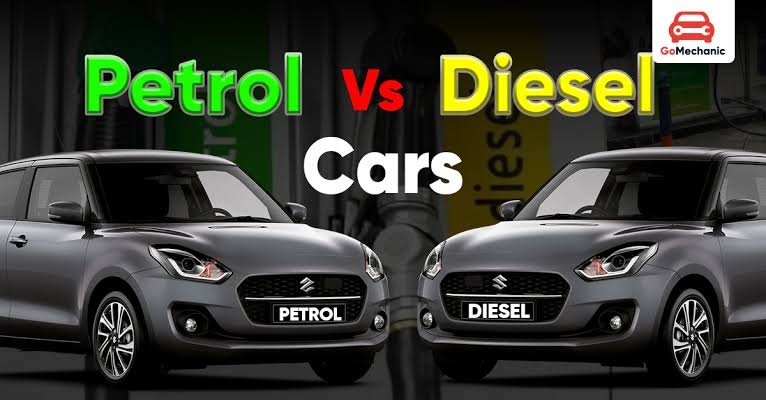
This debate has been running for years, and with fuel prices constantly shifting, it’s worth revisiting. If you’re stuck on petrol vs diesel car comparison for your next purchase, the right answer genuinely depends on how much you drive annually, not just which fuel costs less per liter today.
Fuel Price Difference: Does It Still Matter?
Diesel has traditionally been cheaper than petrol, though the price gap has narrowed considerably in many states over the past few years. In some regions, the difference is now just ₹5-8 per liter, which changes the entire math on whether diesel is worth the higher upfront vehicle cost.
Mileage Comparison
Quick Answer: Diesel cars generally offer 15-20% better mileage than petrol equivalents, but with the reduced price gap between fuels and higher diesel vehicle costs, diesel only makes financial sense for those driving over 15,000-20,000 km annually.
- Petrol cars: typically 15-18 kmpl in mixed driving for compact segments
- Diesel cars: typically 18-22 kmpl in similar segments, noticeably better on highways
- The mileage advantage of diesel is more pronounced on highways than in city stop-start traffic
Upfront Cost and Break-Even Point
Diesel variants typically cost ₹1-1.5 lakh more than their petrol counterparts. Given the narrowed fuel price gap, the break-even point where diesel savings offset this extra cost has stretched to roughly 3-4 years for average users doing 12,000-15,000 km annually.
Maintenance: Where Petrol Cars Win
[link to related guide about car maintenance tips here]
Diesel engines generally require more expensive maintenance — DPF (diesel particulate filter) cleaning, injector servicing, and generally pricier parts add up over time. Petrol engines, being mechanically simpler in most respects, tend to be gentler on your maintenance budget.
Environmental and Regulatory Considerations
Several Indian cities have started restricting older diesel vehicles under pollution control norms, and this trend seems likely to continue. If you’re buying a car you plan to keep for 8-10 years, this is genuinely worth factoring into your decision beyond just running costs.
Who Should Actually Buy Diesel in 2026?
Honestly, unless you’re doing serious highway mileage regularly — sales reps, frequent long-distance travelers, or fleet operators — petrol makes more practical sense for the average urban buyer today. The economics have shifted noticeably compared to a decade ago.
[Alt text suggestion: “Petrol and diesel fuel pumps side by side at an Indian fuel station”]
FAQs
Q1. Is diesel still cheaper than petrol for daily use in 2026? The price gap has narrowed significantly in many states, making diesel less advantageous unless you drive very high annual distances.
Q2. How much extra do diesel cars cost compared to petrol? Typically ₹1-1.5 lakh more upfront for the same model and variant level.
Q3. Is diesel maintenance more expensive than petrol? Yes, diesel engines generally require costlier maintenance due to components like DPF systems and injectors.
Q4. What annual mileage justifies buying a diesel car? Generally, driving over 15,000-20,000 km annually makes diesel’s fuel savings worth the higher upfront and maintenance costs.
Q5. Are diesel cars facing restrictions in Indian cities? Yes, several cities have started imposing restrictions on older diesel vehicles under pollution control regulations.
Conclusion
The petrol vs diesel car comparison doesn’t have a one-size-fits-all winner anymore, unlike a decade ago when diesel was the clear economical choice for most buyers. Calculate your actual annual driving distance honestly before deciding, and factor in both maintenance costs and potential city restrictions, not just the fuel price at the pump today.