I used to just follow whatever sticker the last mechanic slapped on my windshield — “change at 45,000 km” or some number like that. Turns out that’s not always right for every car or driving style. The real engine oil change interval depends on more factors than most people realize, and getting it wrong either way costs you.
Change too early, and you’re wasting money on oil you didn’t need to replace yet. Change too late, and you’re risking engine wear that shows up as expensive repairs years down the line. Let’s sort out what actually matters here.
What Determines Your Ideal Oil Change Interval
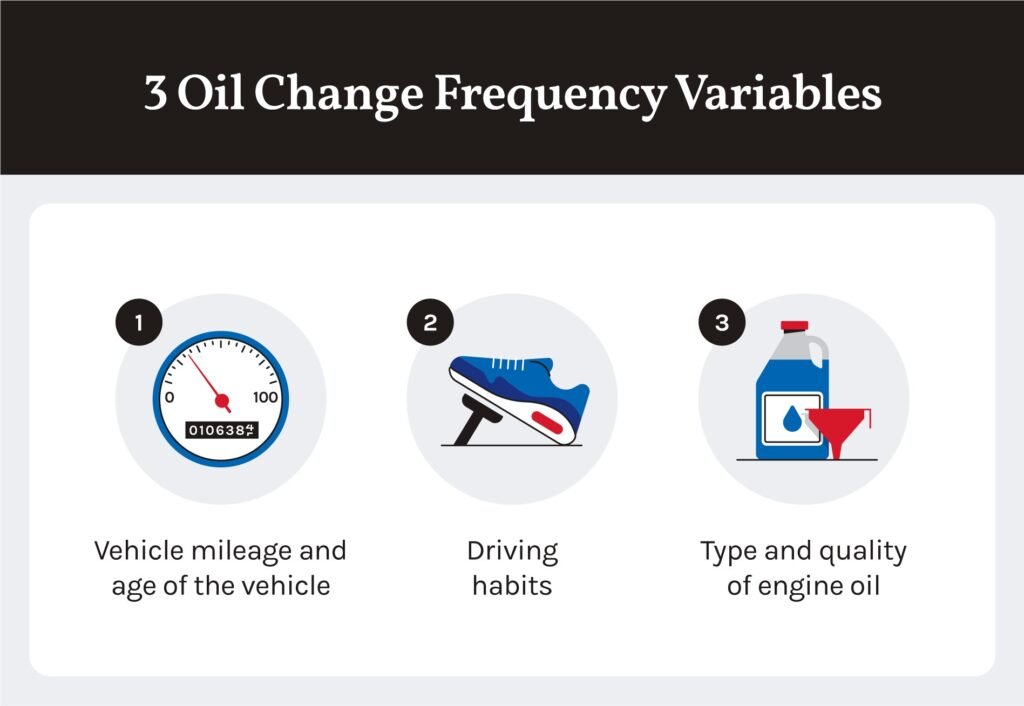
Engine oil change interval isn’t a fixed number — it depends on the oil type, your driving conditions, and your engine’s age. Synthetic oils last longer than conventional ones, and city stop-start driving wears oil out faster than highway cruising.
Most modern petrol cars in India recommend oil changes every 10,000-15,000 km if you’re using synthetic oil, or 5,000-7,500 km with conventional mineral oil. Diesel engines, which run hotter and under more stress, often need more frequent changes.
Synthetic vs Mineral Oil: Does It Really Change the Math?
Synthetic oil costs more upfront — sometimes double the price of mineral oil — but it breaks down slower and handles heat better. If you’re doing mostly highway driving, the longer interval synthetic oil allows can actually make it cheaper over a year.
Quick answer: Synthetic oil typically lasts 10,000-15,000 km between changes, while mineral oil needs replacement every 5,000-7,500 km. The higher upfront cost of synthetic often balances out due to fewer total changes needed per year.
How City Driving Shortens Oil Life
Stop-start traffic, which honestly describes most Indian city driving, is harder on engine oil than steady highway speeds. Frequent idling, especially in traffic jams with AC running, means the oil works harder without the engine reaching optimal operating temperature consistently.
If you’re mostly driving in heavy traffic — think Bangalore’s outer ring road at 6pm — you should lean toward the shorter end of the recommended interval, regardless of what the oil bottle claims.
Signs Your Oil Needs Changing Before the Scheduled Date
- Oil looks dark black and gritty on the dipstick (fresh oil is amber/golden)
- Engine sounds louder or slightly rougher than usual
- Check engine or oil warning light on the dashboard
- Burning oil smell inside the cabin
- Noticeably reduced fuel efficiency
Checking Your Oil Level Correctly
Park on level ground and wait at least 5 minutes after switching off the engine before checking. Pull the dipstick, wipe it clean, reinsert fully, then pull it out again to read the level. It should sit between the minimum and maximum marks.
Quick answer: Check oil level on level ground with the engine off for at least 5 minutes. Low oil between changes could indicate a leak or excessive consumption and shouldn’t be ignored.
[link to related guide on car AC maintenance here]
Why Skipping Oil Changes Is a False Economy
I get it — an oil change costs anywhere from Rs. 1,500 to 4,000 depending on your car and oil grade, and it’s tempting to push it a bit further. But old, degraded oil loses its ability to lubricate properly, which leads to increased friction, more engine wear, and eventually costlier repairs like bearing damage or reduced engine lifespan.
Think of it like skipping meals to save money — you’re not actually saving, you’re just deferring a bigger cost.
Does the Oil Filter Need Changing Too?
Yes, and this gets overlooked often. The oil filter traps contaminants, and reusing an old filter with fresh oil defeats much of the purpose. Most mechanics recommend replacing the filter at every oil change, or at minimum every second change if you’re using a high-quality filter.
[link to related article on car maintenance checklist here]
Choosing the Right Oil Grade for Your Car
Check your owner’s manual for the recommended viscosity grade — usually something like 5W-30 or 10W-40. Using the wrong grade can affect cold-start performance and fuel efficiency. Don’t just take whatever the mechanic has in stock without confirming it matches your manufacturer’s recommendation.
FAQ
Can I extend my oil change interval if I barely drive my car? Not really — oil degrades over time even without much driving, due to moisture and condensation buildup. Most manufacturers recommend changing oil at least once a year regardless of mileage.
Is it bad to mix synthetic and mineral oil? It generally won’t damage your engine, but you lose the extended-interval benefit of synthetic oil, so it’s not recommended as a regular practice.
Does oil color alone tell me it needs changing? Not entirely — oil naturally darkens with use even when it’s still functioning fine. Combine color observation with mileage and time since last change for a clearer picture.
What happens if I never change my oil at all? Eventually the oil breaks down completely, leading to increased engine friction, overheating risk, and potentially catastrophic engine failure requiring a full rebuild or replacement.
Should diesel cars follow a different oil change schedule? Yes, diesel engines generally need more frequent oil changes due to higher compression and soot buildup, often every 7,500-10,000 km even with synthetic oil.
Conclusion
Getting your engine oil change interval right isn’t about blindly following a sticker — it depends on the oil type you’re using, how you drive, and your specific engine. When in doubt, lean toward changing slightly earlier rather than later. It’s a small, predictable cost compared to the engine damage that comes from neglecting it. Keep an eye on your dipstick, and don’t ignore the warning signs your car gives you.